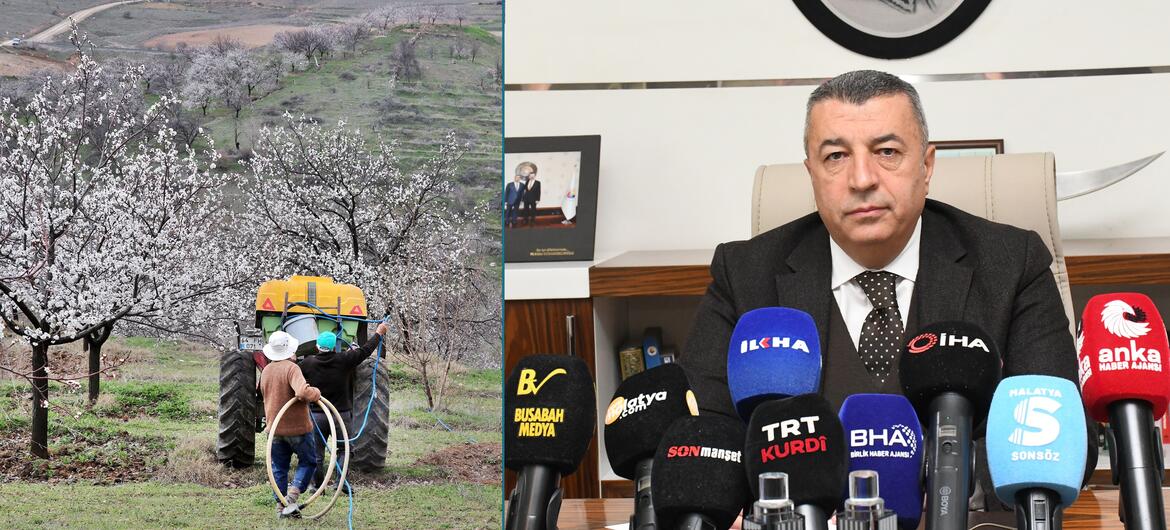
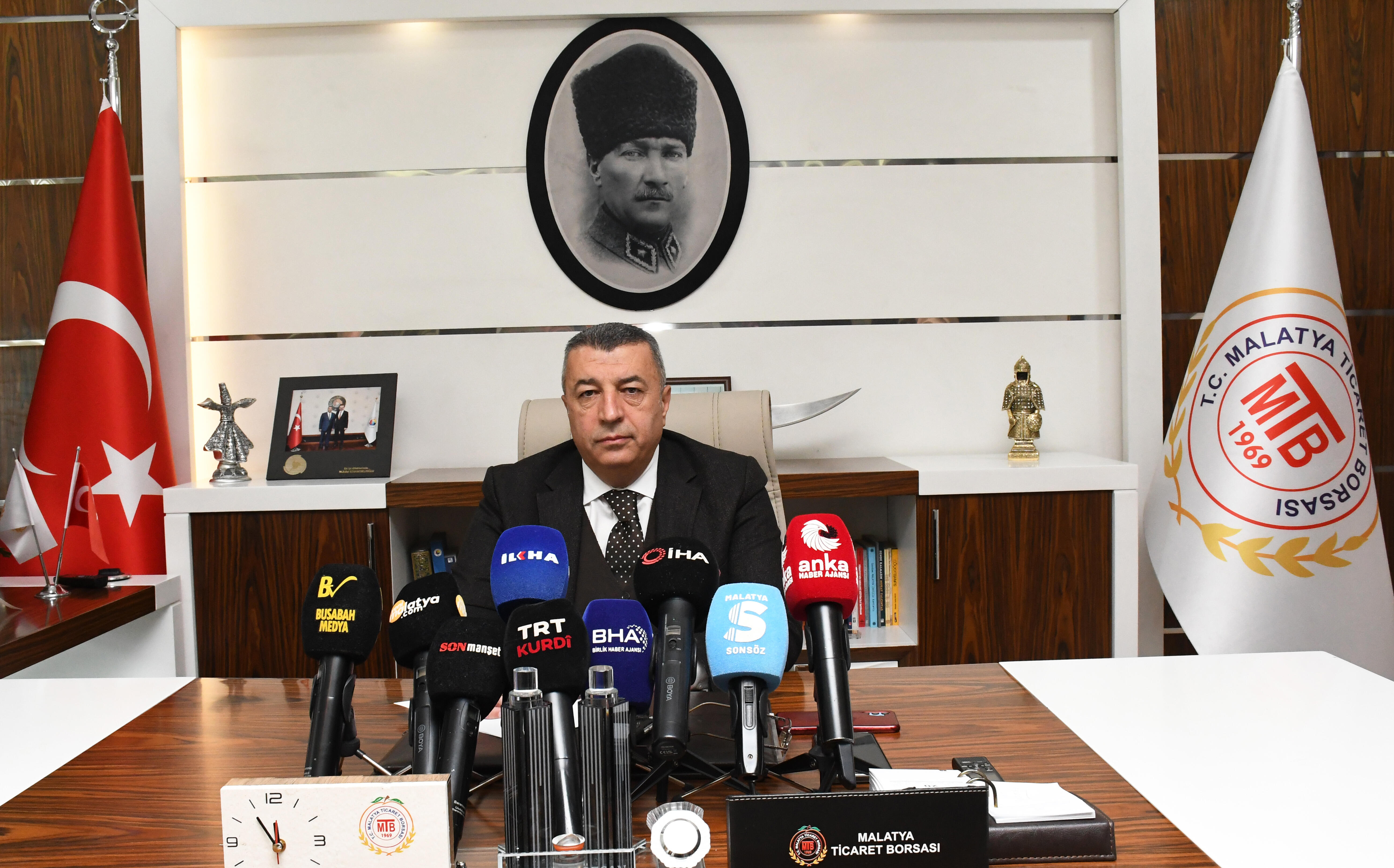
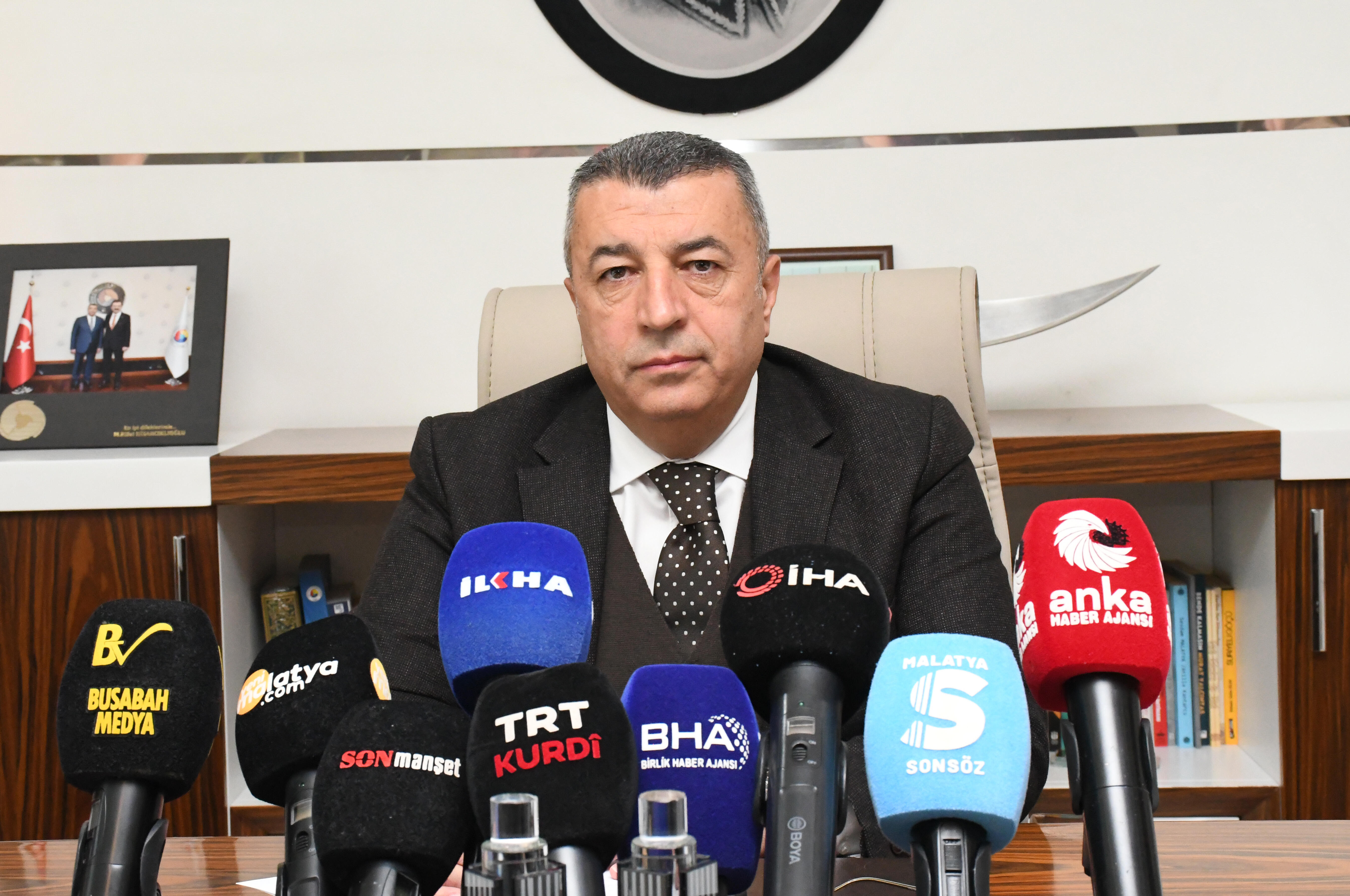
Malatya Ticaret Borsası Başkanı Ramazan Özcan, tomurcuk kabarma ve çiçeklenme dönemine girilen kayısı bahçelerinde sağanak yağışların monilya hastalığı riskini artırdığını belirterek üreticilerin doğru zamanda ilaçlama yapmaları gerektiğini söyledi.
Malatya Ticaret Borsası Başkanı Ramazan Özcan, önümüzdeki 15 gün günlük süre içerisinde aralıklarla sağanak yağışın beklenmesi üzerine kayısı üreticilerine önemli uyarılarda bulundu.
"İKLİM GEÇİŞLERİ YENİ RİSKLER OLUŞTURUYOR"
Özcan, son yıllarda iklim geçişlerinin üretimi doğrudan etkilediğini belirterek, "Malumunuz son 5 yıldır özellikle iklimsel geçiş dönemlerinde gerek ilkbahar geçişlerinde gerekse sağanak yağmur dönemlerinde Malatya olarak her yıl farklı sorunlarla karşı karşıya kalıyoruz. Son birkaç gündür meteorolojinin yaptığı uyarılara baktığımızda önümüzdeki 15 günlük süre içerisinde aralıklarla sağanak yağışlar görünüyor." dedi.
"KAYISIDA EN KRİTİK DÖNEM BAŞLADI"
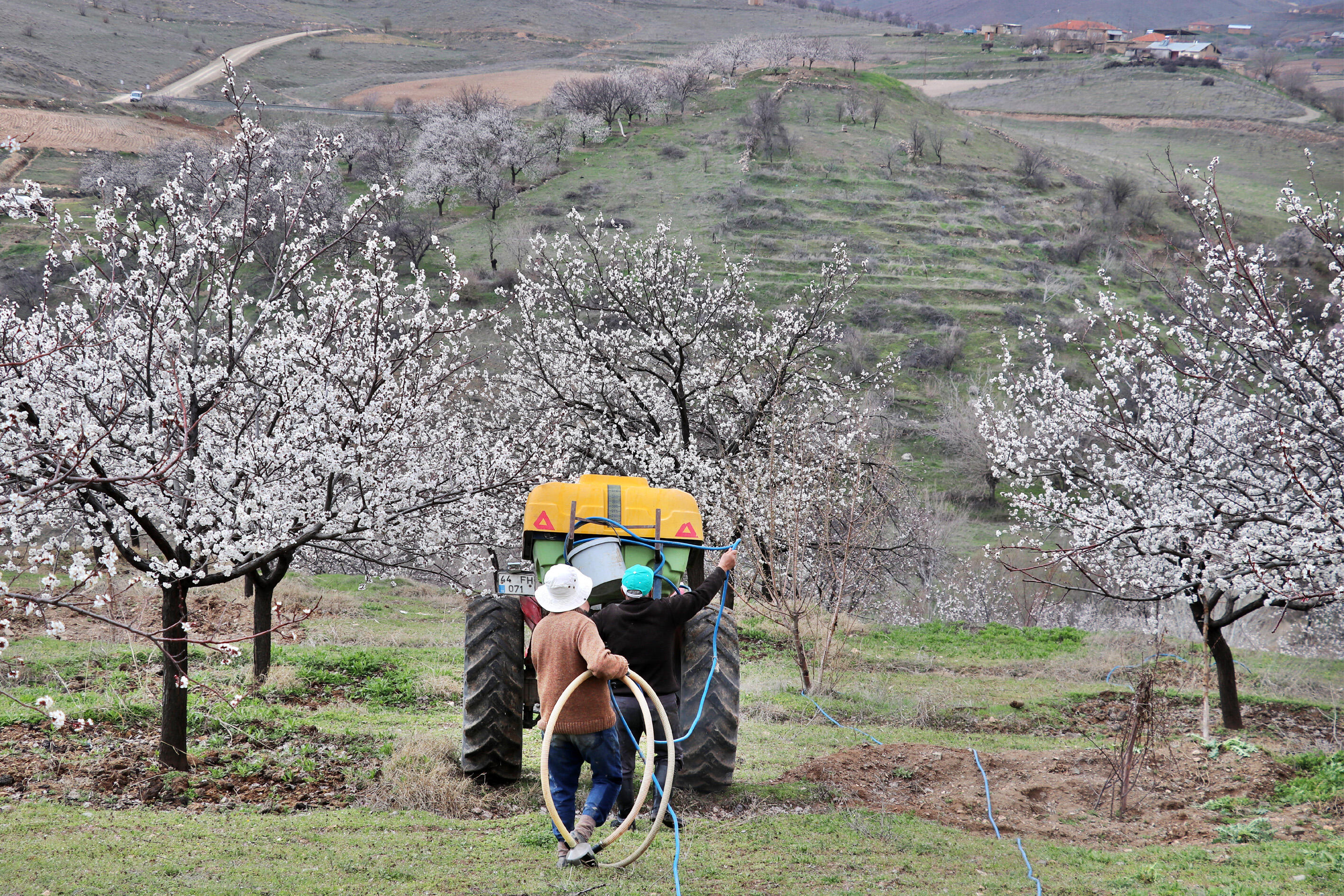
Kayısı üretimi açısından en hassas sürece girildiğini vurgulayan Özcan, "Kayısının en önemli kriz döneminin başlangıcındayız. Tomurcukların artık kabarma dönemi başladı ve bunun akabinde de çiçeklenme dönemine giriyoruz. Malatya Ticaret Borsası olarak üreticimizin bu süreçte yaşanabilecek krizleri doğru yönetmesi adına uyarılarda bulunuyoruz. Önümüzdeki iki ay boyunca dikkatli olunması ve doğru zamanda doğru hamlelerin yapılmasıyla bu yıl kayısıda yaşanabilecek sorunları birlikte atlatmayı planlıyoruz." ifadelerini kullandı.
"EN BÜYÜK RİSK MONİLYA HASTALIĞI"
Sağanak yağışların monilya hastalığını tetiklediğini ifade eden Özcan, "Tomurcukların kabarması ve çiçeklenme döneminde yaşanan en büyük kriz sağanak yağmurların neden olduğu monilya hastalığıdır. Son 5 yılın ortalamalarına baktığımızda bu krizi çok büyük yaşadığımız yıllar oldu. Bu hastalık sadece meyve kaybına değil, aynı zamanda ağaçların da ciddi zarar görmesine neden oldu. Bazen ağaç monilya hastalığına yakalandığında iki veya üç yıl mahsul alınamayabiliyor." diye konuştu.
"GEÇMİŞTE BÜYÜK KAYIPLAR YAŞANDI"
Geçmiş yıllarda yaşanan zararları hatırlatan Özcan, "Bundan iki yıl önce yaşanan süreci hatırlayalım. 2025 yılı Nisan ayında yaşadığımız zirai donun şehirde ekonomik ve sosyal anlamda nasıl bir kriz oluşturduğunu hep birlikte gördük." dedi.
"İLAÇLAMA ZAMANINDA YAPILMALI"
Üreticilere ilaçlama konusunda çağrıda bulunan Özcan, "Rakımı düşük bölgelerde tomurcukların kabardığı alanlarda tomurcukların yaklaşık yüzde 10'unun kabardığı dönemde mutlaka ilk ilaçlamanın yapılması gerekiyor. Birinci ilaçlama tomurcukların çiçek açmaya yakın olduğu dönemde yapılmalıdır." ifadelerini kullandı.
"İKİNCİ İLAÇLAMA GEREKEBİLİR"
Meteorolojik verilere göre ikinci ilaçlamanın da gerekebileceğini belirten Özcan, "Önümüzdeki 15 günlük meteoroloji raporlarına baktığımızda aralıklarla yağışlar görünüyor. Bu nedenle ilk ilaçlamadan sonra hava durumunun takip edilmesi ve gerekli görülmesi halinde ikinci ilaçlamanın yapılması gerekiyor. Çiçek ilacı olarak bilinen bu uygulamalarda herhangi bir ilaç kalıntısı söz konusu değildir." dedi.
"DOĞRU İLAÇ VE DOĞRU ZAMAN ÖNEMLİ"
İlaç seçiminde uzman görüşünün önemine değinen Özcan, "Kullanılacak ilaçların Tarım İl Müdürlüğü ve Ziraat Mühendisleri Odası'nın önerdiği reçete yöntemiyle ve ziraat mühendislerinin denetiminde temin edilmesi gerekiyor. Zamansız atılan ilacın veya mücadelenin hiçbir faydası olmayacaktır. Bu hem üretici açısından ekonomik zarar hem de ağaç açısından faydasız bir uygulama olacaktır." şeklinde konuştu.
"TOPYEKÛN MÜCADELE ÇAĞRISI"
Mücadelenin tüm paydaşların birlikte hareket etmesiyle başarılı olacağını belirten Özcan, "Malatya rakım açısından farklı bölgelere sahip. En düşük rakımdan en yüksek rakıma kadar her bölge dikkatle takip edilerek mücadele yapılmalıdır. Üretici, Tarım İl Müdürlüğü, Ticaret Borsası, Ziraat Mühendisleri Odası ve ziraat odaları birlikte hareket ederek bu süreci doğru yönetmelidir." dedi.
"KAYISIMIZA SAHİP ÇIKACAĞIZ"
Kayısının Malatya için büyük bir değer olduğunu vurgulayan Özcan, "Bu dönem meyvenin oluşacağı ilk adımdır. Eğer bu süreçte doğru mücadeleyi gerçekleştiremezsek ilerleyen zamanda yapacağımız çalışmaların hiçbir faydası olmayacaktır. Kayısımıza sahip çıkacağız, elimizden gelen bütün tedbirleri alacağız ve takdiri Allah'a bırakacağız. Amacımız ağacı monilya hastalığından korumak, verim kaybını azaltmak ve kaliteli üretimi sağlamaktır. İnşallah bu yıl gerekli tedbirleri alarak daha sağlıklı bir üretim süreci yaşayacağız ve Malatya'nın dünya kuru kayısı piyasasındaki marka değerini koruyarak hem yaş kayısıda hem de kuru kayısı ihracatında yeni hedeflere ulaşacağız." dedi.
{{item.description[0].name}}